Gourd Meaning: China's Oldest Luck Charm Is a Hollow Vegetable — and That's Exactly the Point
October 6, 2026 · 7 min read
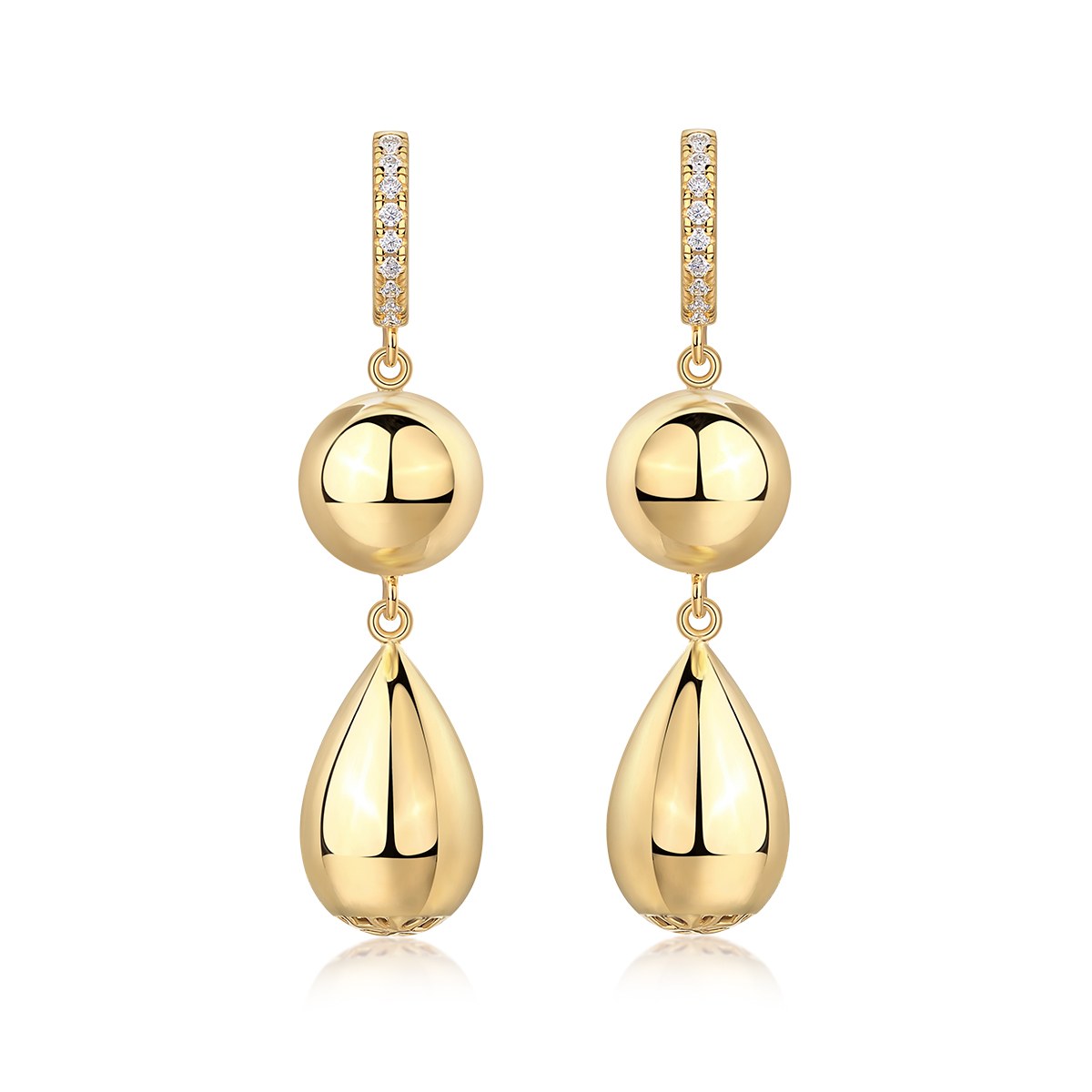
The luckiest charm in Chinese jewelry is not a gemstone, not a mythical beast, and not a coin. It's a vegetable. Specifically, a gourd — a hollow, dried calabash with a pinched waist, the kind of thing that in most of the world ends up as a birdhouse or a water dipper. In China it has spent centuries as a symbol of fortune, protection, and health, worn as earrings, hung over doorways, and carved into jade and silver. And here's the detail worth noticing before you file it under "just another lucky charm": the gourd's entire meaning is a pun. Its name, húlu (葫芦), rhymes with fúlù (福禄) — the word for blessing and prosperity. Strip away the folklore and you're left with a fact that is almost too honest to be good marketing. The most famous fortune symbol in the culture is a wordplay that happened to stick.
Before you roll your eyes — and you're right to — there's something genuinely worth understanding here, and it isn't magic. It's about why a humble vegetable became the thing people reach for when they want a change they can't quite make on their own.
The pun, the plant, and why it stuck
Let's get the pun exactly right, because it's the engine of everything else.
Fú (福) means blessing or good fortune. Lù (禄) means prosperity — specifically the official salary, the rank and emolument of a scholar-official in imperial China. Put them together and you get fúlù shuāng quán (福禄双全), "complete in both fortune and rank," one of the oldest wishes you can offer someone. Now say húlu (葫芦), the word for gourd. It doesn't match fúlù perfectly — and an honest guide should admit that — but the rhyme is close, and in a tradition built on near-homophones, close is enough. The gourd borrowed the sound of the two most desirable words in the language and has been wearing them ever since.
This is not a fluke of one vegetable. A sound standing in for a wish is the backbone of the entire symbolic system — we've written about it before, in the way a Chinese symbol almost never says what it means outright. The gourd is simply one of the cleanest examples. It doesn't depict fortune. It sounds like it.
But the gourd carries more than a rhyme, and the layers are what make it feel like a real object rather than a trinket.
First, the medicine gourd. In Daoist imagery, the Eight Immortals travel with their tools, and the gourd belongs to Li Tieguai, who keeps a gourd of elixir at his hip. The gourd is a medicine vessel — the thing that holds the cure. Over time it drifted out of the hands of gods and into ordinary homes, where a gourd hung by a bed or a doorway was meant to absorb illness and keep the household well. That's the layer most sales pages skip, and it's the warmest one: before it was about getting rich, the gourd was about not being sick.
Second, the shape. It's a container with a narrow waist and two chambers. In feng shui thinking, that's a vessel that draws things in and holds them — bad energy goes in and doesn't come back out. It's the same logic of retention we found in the Pixiu, the wealth beast that famously has no exit. The Pixiu holds treasure; the gourd holds everything else.
Third, the seeds. Cut a gourd open and you'll find dozens of seeds packed inside. In a culture where a crowded household was a blessing, that read as duōzǐ duōfú — many children, many blessings. The gourd didn't just promise prosperity; it promised the prosperity would have somewhere to go.
What the gourd actually does (and doesn't do)
Now the part that matters if you're considering buying one of these, for yourself or as a gift.
No piece of jewelry — not a gourd, not a red thread, not a jade bangle — changes the odds in your favor. If someone tells you a pair of earrings will make you prosperous, walk away, because that's not a belief; it's a sales tactic wearing a belief's clothes. The question is never "will this bring me money?" It's "does this hold an idea still so I don't lose it?"
And on that score the gourd does something specific and quietly useful. It reminds you of the one thing that separates people who keep what they have from people who leak it: containment. Fortune, health, energy, attention — these are things you hold or you lose. A gourd on your ears or your threshold is a small, physical reminder of that, the way a wedding ring reminds you of a promise. It isn't doing the earning or the healing for you. It's holding the idea in place while you do the work.
Here's the test I genuinely use: would this object still mean something to you if you learned tomorrow that there was no such thing as luck? The gourd passes, for a specific reason. Its message survives the death of magic because "hold what matters, and don't let it leak" is advice you can act on without believing in a single immortal. A charm that only says "fortune come to me" has nothing left the moment you stop believing.
And there's a warmth here that's easy to miss. The gourd is, above everything, a home charm. It hangs over thresholds, sits by beds, guards the space where people actually live. It's less about pulling wealth toward you and more about protecting what's already inside the walls — the health, the people, the peace. For a gift, that's a gentler and more honest thing to wish for someone than "get rich."
How to choose one without getting fooled
If the idea appeals to you — and once you strip away the hype, there's real tenderness in it — here's what actually matters.
Form over price, always. The meaning of a gourd lives in the silhouette — the pinched waist, the two lobes, the smaller chamber sitting on the larger one — not in whether the metal is silver or something else, or whether the stone is moissanite or diamond. A gourd in plain silver carries its story exactly as far as one set with a gem, because the story is in the shape. Spend on the shape and the craftsmanship, not the stone. The stone is where the markup hides; the meaning is free.
Details tell you it's real. A well-made gourd shows two distinct lobes, and often a small vine or leaf at the neck, or a tiny engraved fú (福) on the belly. The old rules, for what they're worth: the top chamber is the "heaven" lobe and the bottom the "earth" lobe, and the narrow waist between them is what lets it hold rather than spill. If the person selling it to you can't tell you the pun — húlu, fúlù — that's your answer about whether it's a meaning or a decoration.
Buy it for the right person at the right moment. A gourd is a genuinely thoughtful gift for a housewarming (hang it over the door), for someone starting a new job or chapter (that lù — rank and prosperity — is doing real work there), or for someone recovering from illness (the medicine-gourd layer). It's also the warmest way to wish a couple starting a family well, given everything those seeds imply. Notice the thread: the gourd is for someone building or protecting something, not someone already comfortable. And noticing that — the difference between "get rich" and "hold what you have" — is the actual point.
The short version
- The gourd is a fortune charm that's literally a vegetable, and its meaning is a pun: húlu (葫芦) rhymes with fúlù (福禄), blessing and prosperity.
- The rhyme isn't exact, and an honest guide says so — but in a tradition built on near-homophones, it was close enough to stick for centuries.
- It has three layers: the Daoist medicine gourd (health), the container shape (hold things, don't leak), and the many seeds (many blessings).
- No charm changes your odds. What the gourd does is hold an intention still — a reminder of containment, like a ring or a red thread.
- Test it: if "luck" died tomorrow, would it still mean something? The gourd passes; a "fortune magnet" doesn't.
- It's a home charm — for housewarmings, new jobs, recovery, or new beginnings — and noticing that is the gift.
Keep reading
More from the Journal