The Hidden Science Behind Gemstone Brilliance: What Makes a Stone Sparkle?
November 1, 2026 · 7 min read
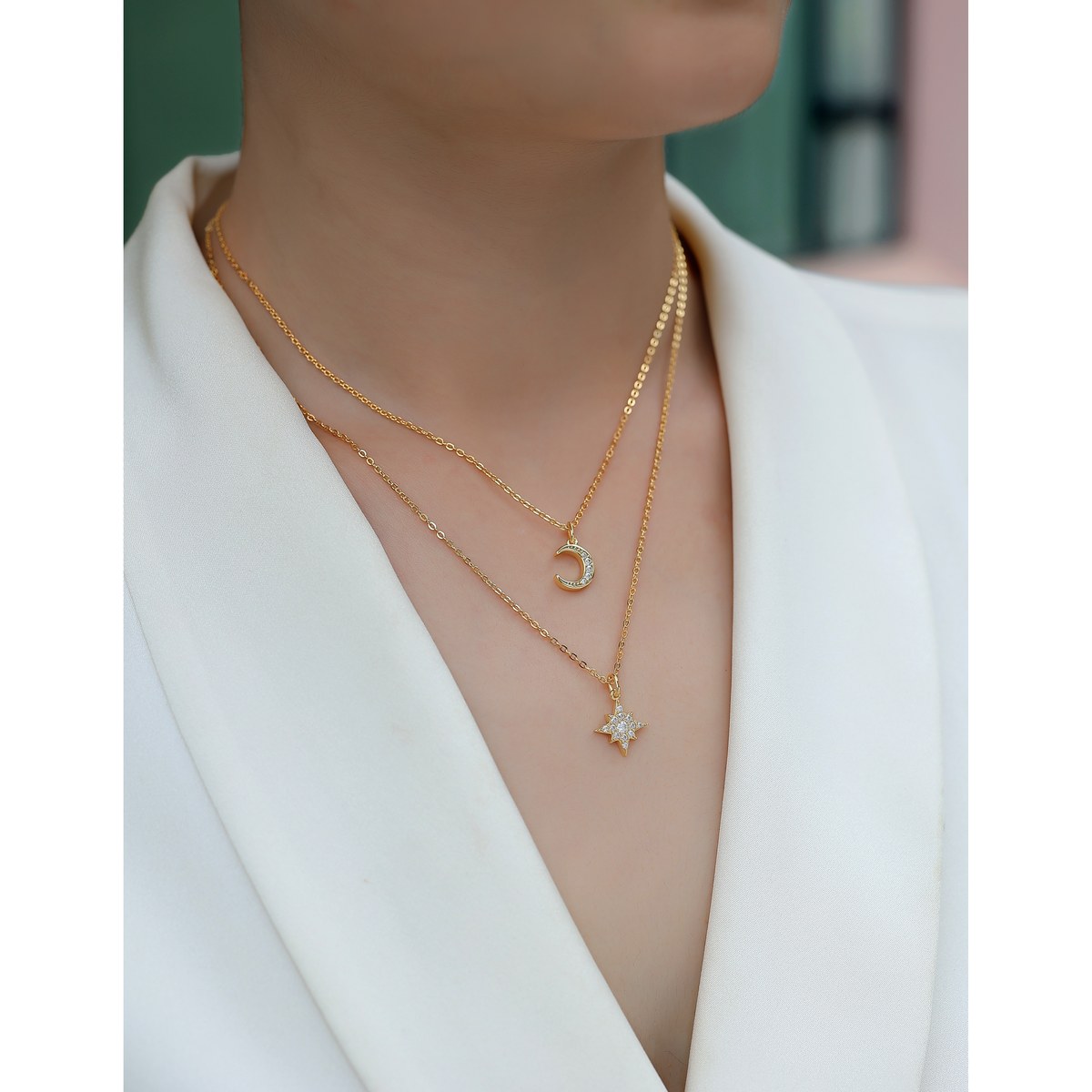
The first time you see a flawless diamond under bright light, it can feel like magic. The way it catches the sun, scattering light into miniature rainbows—it feels supernatural. But what if I told you that the sparkle isn't magic at all? It's pure, predictable physics.
Most people think a gemstone's value and beauty are simply due to its color or rarity. While those factors are undeniably important, the true wow factor—the breathtaking brilliance—is a sophisticated, measurable phenomenon. It is the result of light interacting with a perfectly structured mineral lattice. To truly appreciate fine jewelry, you need to understand the hidden science of the carat and the cut.
### Understanding Brilliance, Fire, and Dispersion
These three terms are often used interchangeably, but a gemologist would correct you. They represent distinct physical properties:
1. Brilliance: This is the measure of the stone's overall brightness. Think of it as the quantity of returned light. A well-cut stone that reflects a high percentage of incoming light, regardless of color, possesses excellent brilliance. It’s the most fundamental measure of how "bright" a stone is.
2. Fire (Dispersion): This refers to the ability of a stone to separate white light into its component colors—the rainbow effect. This effect is created by the stone's dispersion, which is related to its crystal structure. Diamonds are famous for their high dispersion, creating dramatic flashes of "fire." While a high dispersion is lovely, overly emphasized fire can sometimes make a stone look less uniform and "too colorful," which is why some modern cuts favor brilliant, white reflections over intense color separation.
3. Clarity: This is the quality of the stone's internal structure—the absence of inclusions (flaws). While perfect clarity is rare and highly sought after, some unique inclusions can actually add character, a concept we're calling "character marks" rather than "flaws."
The best gemstones are those that balance these three principles: high brilliance, tasteful fire, and high clarity.
### The Art of the Cut: Geometry Meets Gemology
If the stone is the star, the cut is the director. The hardest part of gemstone mastery is not finding the perfect rock, but transforming it into a wearable work of art.
The cut dictates how light enters, bounces around, and exits the stone. For example, a very round, cushion-cut diamond might look softly radiant, while a princess-cut diamond will display sharp, angular flashes.
The ideal cut maximizes the reflection of the internal light path. A poorly cut stone—even one made of the rarest material—will look dull and lifeless because the light simply passes through the stone without bouncing back to your eye. This is why professional assessment is key. The cutting process is a highly sophisticated engineering feat, requiring precise knowledge of the stone's refractive index and the metal setting's properties.
### Beyond the Diamond: Other Stones, Different Stories
While the diamond often dominates the conversation, its sparkle is just one beautiful data point. Many other gemstones possess incredible and unique optical properties.
Consider the deep, saturated blue of a high-quality sapphire. Sapphire's brilliance is often described differently because its primary appeal is its rich color, which works in tandem with its inherent sparkle. Its crystalline structure dictates a mesmerizing glow that complements its cool, majestic hue. Similarly, moissanite is famous for having a high dispersion rate that often rivals, and sometimes surpasses, that of a diamond, giving it a truly spectacular, vivid sparkle for its relative affordability.
Understanding this conversation—the dialogue between the stone's natural properties and the artisan's cutting skill—is the key to becoming a discerning jewelry connoisseur.
Don't just buy a beautiful stone; buy a piece of optical engineering.
At malalune, we don't just sell gems; we connect you with these stories of light, science, and artistry. We guide you to the stone whose inherent brilliance matches your unique style and vision, ensuring that every sparkle tells a story worth sharing.
Keep reading
More from the Journal