Jewelry Mixing MythBusters: Can You *Actually* Mix Gold and Silver?
October 29, 2026 · 8 min read
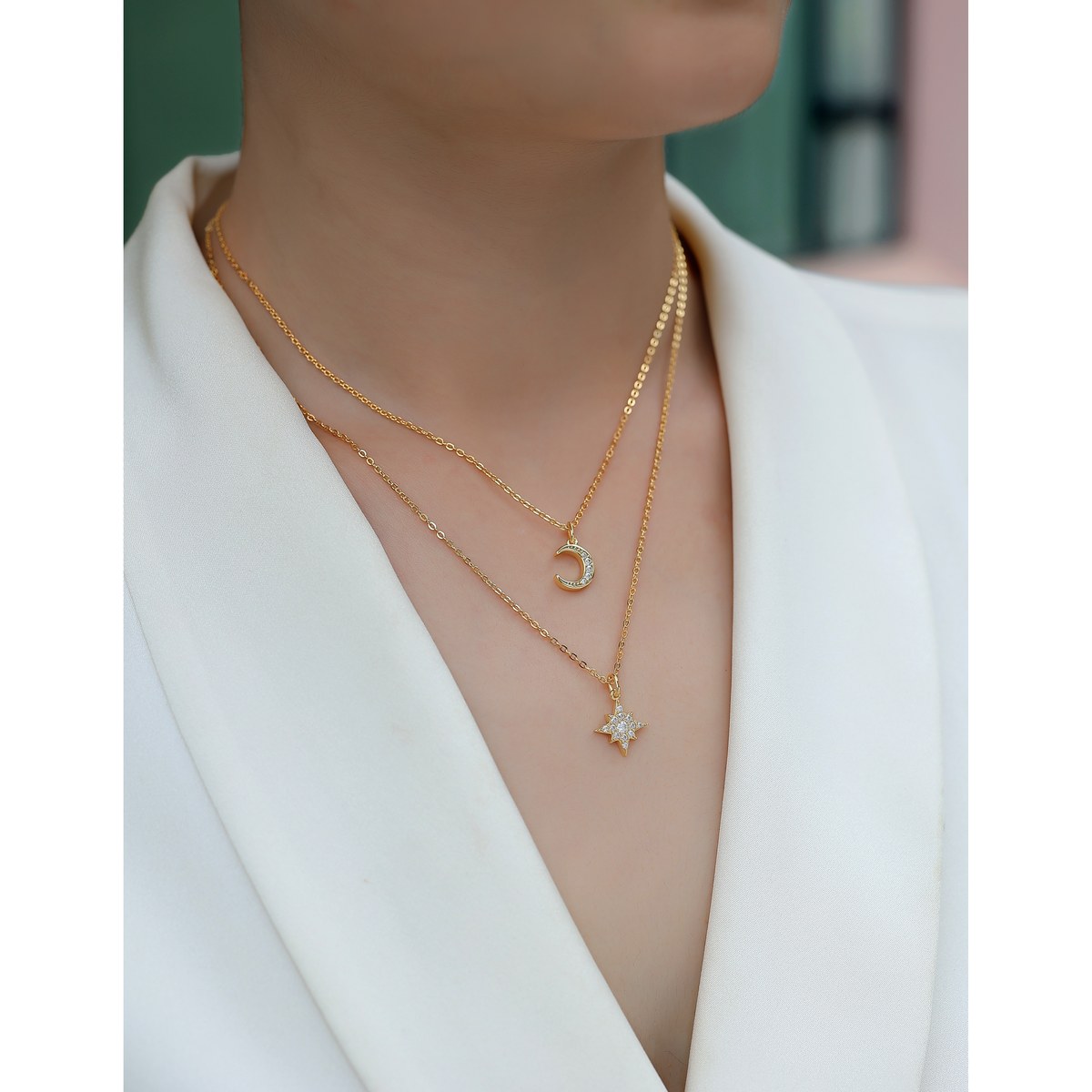
Ever feel like you have two separate wardrobes for your jewelry? One for your yellow gold pieces, and another for your cool, silver tones. When you look in the mirror, all your beautiful finds are beautiful, but they seem to live in separate metal universes. You want that perfect, harmonious ensemble—that look that screams 'effortlessly chic' instead of 'accidentally mismatched.'
The good news? Mixing metals isn't just a passing trend, it's a fundamental skill of modern style. The bad news? Most people have been sold a dangerous myth: that mixing gold and silver is impossible, or that you must stick to the "rules."
In reality, the rules are far more flexible, and understanding them is less about matching tones and more about playing with texture and temper. This guide is your mythbusting toolkit. We're going to show you how to blend your metals like a seasoned stylist, making your entire collection feel cohesive, intentional, and undeniably you.
The Golden Rule: Focus on Tonal Harmony, Not Metal Purity
Forget the rigid belief that yellow gold only goes with yellow gold, and silver only goes with silver. That's the mistake the jewelry industry wants you to believe so you can sell you more separate collections.
The true secret lies in recognizing that metal is more than just color; it's a reflection. When you mix metals, you are really playing with tonal temperature and finish.
- Warm Tones (Gold): These metals naturally reflect warm light, enhancing skin tones, making you look radiant, and giving an overall feeling of richness and warmth.
- Cool Tones (Silver/Platinum): These metals reflect cooler light, offering a crisp, modern, and edgy feel. They provide visual contrast that can make other pieces 'pop'.
The key is to let one metal act as the foundation and the other as the accent. If your core look is warm (e.g., wearing a gold top), use silver pieces sparingly as highlights—a silver cuff or a single pair of earrings—to provide a sharp counterpoint.
Similarly, if you're going for an edgy, cool vibe, let a dominant silver piece anchor the look, and use small, rich gold accents to add necessary warmth and depth.
Pro-Tip: Examine the finish (matte, polished, brushed, oxidized). Mixing a high-polish gold ring with a brushed silver bracelet is more likely to look intentional than mixing two pieces with the exact same high polish but different metals.
Mastering the Art of the Mix: Layering and Pairing Techniques
Once you understand that harmony comes from contrast, you can tackle the actual physical act of mixing. Here are three foolproof techniques that will make you look like you bought every piece from the same high-end, metal-mixing-expert boutique.
### 1. The "Three-Piece Rule" for Necklaces
If you are building a necklace stack, never feel pressured to match the metals. Instead, think about the length and the texture.
- The Anchor (Foundation): This should be your longest, most substantial piece—maybe a thicker gold chain or a bold silver pendant. It sets the general mood.
- The Transition (Mid-ground): This piece should bridge the gap. It might be a delicate mixed-metal chain or a beadwork piece that visually connects the two metals.
- The Pop (Accent): This is the shortest, most minimalist piece—perhaps a tiny, polished silver element against the main gold piece.
By following this gradient from big to small, you guide the eye smoothly across the diverse metals, making the whole stack read as a single, deliberate unit.
### 2. Strategic Earring Grouping
Earrings are the easiest place to start mixing metals because they are small and visually contained. Instead of matching metals, match shapes or themes.
- Shape Match: If you are wearing large, architectural gold earrings, balance them with a pair of small, geometric silver studs. The common thread is the modern, clean shape, not the metal.
- The 'Neutral' Stone: If your metals are fighting for attention, use a gemstone that is naturally neutral in color, such as opal, jade, or mother-of-pearl. The gem becomes the shared point of focus, allowing the metals to complement it rather than compete with each other.
### 3. The Statement Cuff Counterbalance
The wrist is a perfect canvas. A statement gold cuff paired with a delicate silver bracelet might look haphazard at first glance. But remember the balance:
- If the cuff is geometrically complex (lots of lines, curves), pair it with a simple, clean silver bangle. The simplicity of the bangle prevents the overall look from becoming too chaotic.
- If the cuff is very minimalist and smooth, you have the freedom to stack multiple, differently colored, and textured bracelets on the other wrist.
Beyond the Basics: Confidence is the Ultimate Style Accessory
Ultimately, the most important lesson in mixing metals is this: confidence is the ultimate style accessory.
The reason some mixed-metal outfits look flawless, while others look accidental, comes down to one factor: the wearer's conviction. When you know what you're doing, and you love the way the disparate tones play together, anyone who looks at it will see "bold artistic style," not "a shopping mistake."
So, take that yellow gold necklace you bought on a whim, pair it with that crisp, silver architectural earring you found, and don't think about the metal names. Think about the vibe you want to create. Are you feeling edgy, warm, classic, or modern?
The mixing process is simply about using all the beautiful tools—every tone, every shine, every metal—that your wardrobe offers to craft a look that is uniquely, perfectly, and unapologetically yours. Go experiment. We promise, your new favorite looks await.
Keep reading
More from the Journal