How to Clean Silver Jewelry the Right Way (Without Ruining It)
September 25, 2026 · 4 min read
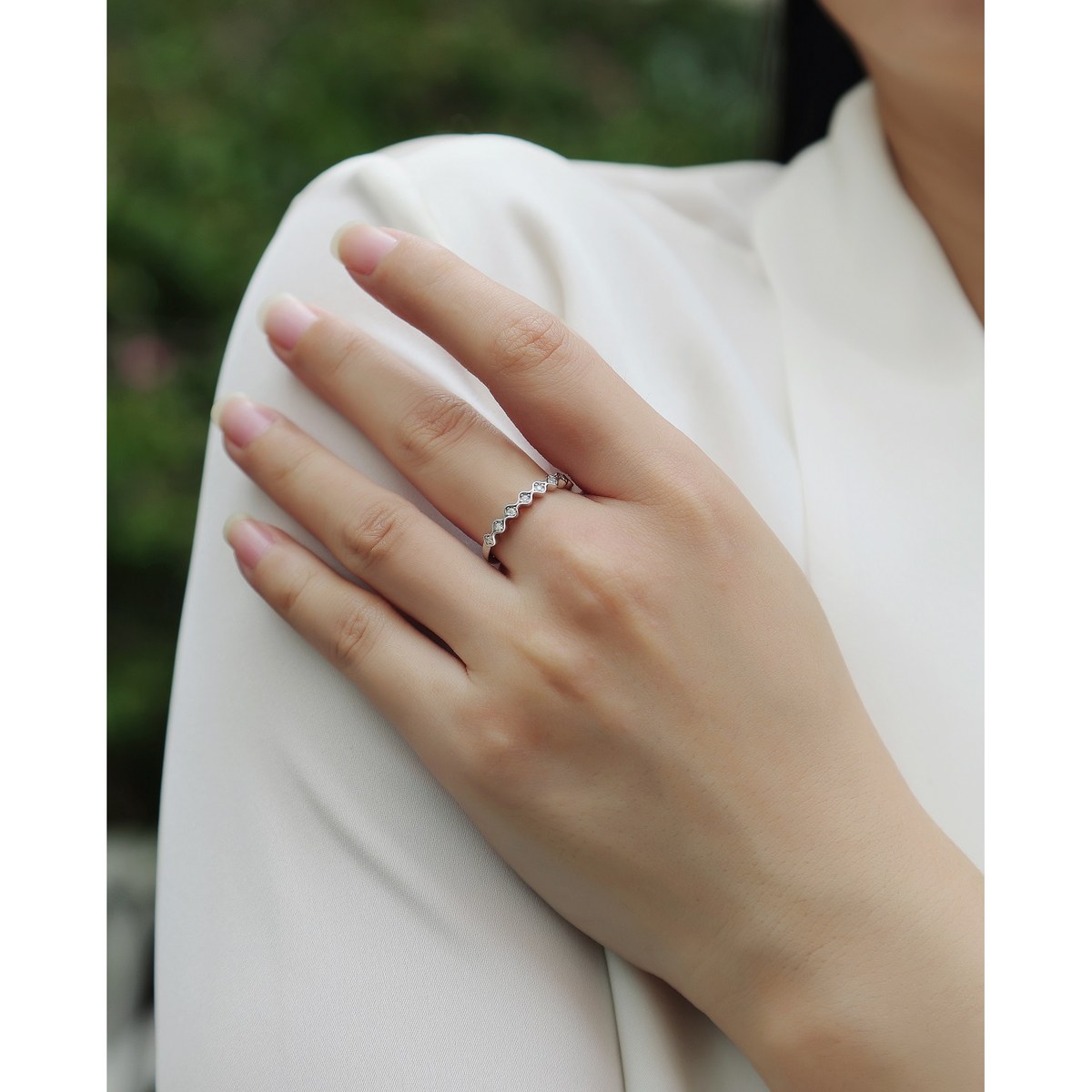
There's a reason most "how to clean silver" advice on the internet contradicts itself: half of it is folklore, and a good chunk of the rest will quietly damage your jewelry. The good news is that cleaning silver correctly is simpler than the internet makes it look — once you know which three things to never do, and which one method actually gets the job done. And the method that's right for you depends on a single question: does the piece have stones? Everything else follows from that.
The short version of the science
Silver doesn't get "dirty" the way fabric does. The black film is silver sulfide, formed when silver reacts with sulfur in the air. It's chemistry, not grime — which is why scrubbing harder doesn't help, and the right fix is usually chemical rather than elbow grease. If you want the full picture of why it happens (and why it's actually fine, not a flaw), start with our piece on why silver tarnishes.
Three things that will ruin silver (don't do these)
Toothpaste. It feels clever because it's a mild abrasive. That's exactly what it is — an abrasive — and it leaves fine scratches that fog the finish over time. Fine silver is soft; skip it.
Bleach and household cleaners. Bleach doesn't clean silver, it attacks it. Silver plus bleach is one of the few combinations that causes actual, irreversible damage — pitting and blackening that won't come off. Never, on anything you care about.
Harsh chemical "silver dip." The instant-dip liquids work, and that's the problem. They strip tarnish fast, but they also strip the finish, dull the surface, and are completely off-limits for pieces with stones, oxidized detail, or mixed materials. Treat dip as a last resort on plain silver only.
How to actually clean silver (gentle to strong)
Step 1 — Polishing cloth (for light tarnish, daily). For a piece that's just slightly dull, a proper silver polishing cloth is all you need. Rub the piece with the cloth, not the cloth against the piece, and never wash the cloth — the tarnish it picks up is part of what makes it work.
Step 2 — Warm soapy water (for general grime). A few drops of mild dish soap in warm water. Soak for a minute or two, go over it with a soft brush, rinse, and dry completely with a lint-free cloth. This is the workhorse method for everyday jewelry that picks up lotion, sweat, and soap film.
Step 3 — Baking soda paste (for real tarnish). Make a thick paste of baking soda and a little water, rub it on gently with a soft cloth or your fingers, then rinse and dry. It's mildly abrasive, so go easy — but it handles most tarnish on plain silver without the risks of a chemical dip.
Step 4 — The foil method (heavy tarnish, plain silver only). Line a bowl with aluminum foil, add hot water and a spoon of baking soda or salt, and drop the silver in so it touches the foil. An electrochemical reaction moves the tarnish from the silver onto the foil. It's effective, but it can leave a matte finish and is risky for stones or oxidized pieces — reserve it for solid, plain silver with no stones.
The rule for stones (moissanite included)
If a piece has stones — moissanite, pearls, opals, anything — stay with steps 1 and 2. Moissanite itself is tough (9.25 on the Mohs scale), but the setting around it isn't, and harsh dips can loosen stones or dull the finish that frames them. When in doubt, gentle soap and a soft brush beat every chemical shortcut.
Keeping it clean (so you don't have to clean it)
Prevention beats restoration every time, and it costs nothing:
- Store pieces separately — silver scratches silver, so keep pieces from knocking into each other, ideally in an anti-tarnish bag or a lined box.
- Keep it dry — lotion, perfume, and sweat all speed up tarnish. Put jewelry on last and take it off first.
- Wear it — counterintuitively, silver that's worn regularly tarnishes slower, because daily contact gently polishes the surface as you move.
How often should you actually clean it?
Less often than you think. Silver doesn't need a cleaning schedule — it needs cleaning when it looks dull. For pieces worn daily, that usually means a quick pass with a polishing cloth every few weeks, and a proper wash only when grime actually builds up. Over-cleaning, especially with anything abrasive, wears the finish faster than tarnish ever will. If it still shines, leave it alone.
The short version
- Light tarnish / daily upkeep → polishing cloth or warm soapy water.
- Real tarnish on plain silver → baking soda paste.
- Heavy tarnish, plain silver only → the foil method.
- Pieces with stones → soap and water only; never chemical dips.
- Never → toothpaste, bleach, or harsh silver dip on anything you care about.
Keep reading
More from the Journal