The 'Purest' Gold Is the Worst Choice for Jewelry You Actually Wear
November 4, 2026 · 6 min read
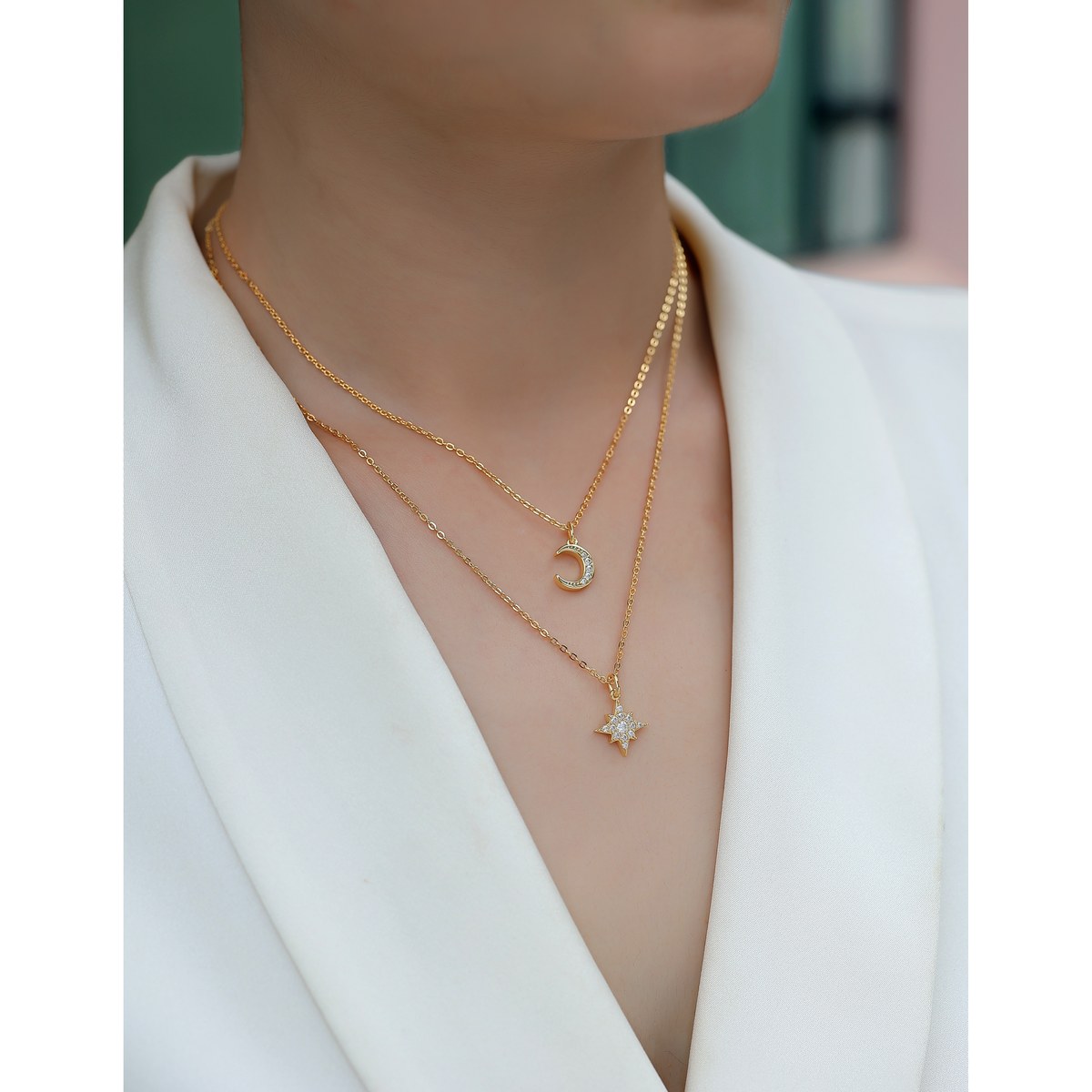
If you've ever bought gold jewelry, you've probably absorbed the same unspoken assumption almost everyone carries: the higher the karat, the better the gold. A 24k ring sounds more impressive than an 18k one, which sounds more impressive than 14k, and on it goes. It's such a natural instinct — more gold, more value, more status — that almost nobody stops to question it.
But here's the thing nobody tells you until a ring gets bent out of shape or a necklace clasp pulls loose: for jewelry you actually plan to wear, the instinct is backwards. The "purest" gold is the worst choice. 24k gold is so soft you can dent it with a firm fingernail. The same purity that makes it sound luxurious is the exact reason it fails in real life — and it's why the vast majority of everyday fine jewelry across the world is 14k or 18k, not 24k. Once you understand what the karat number actually measures, the "higher is better" myth collapses and shopping gets a whole lot clearer.
What the karat number actually measures
The karat number isn't a grade of quality. It's just a ratio. It tells you how much of the metal is pure gold versus other metals, expressed out of 24 parts.
Pure gold is 24 karat — 24 out of 24 parts gold, nothing else. An 18k piece is 18 parts gold and 6 parts something else, usually a mix of silver, copper, and zinc. A 14k piece is 14 parts gold and 10 parts alloy. A 10k piece is 10 parts gold and 14 parts alloy. That's the entire system. There's no secret bonus for a higher number, no hidden craftsmanship — just a fraction of gold in the metal.
That other metal isn't filler or cheating, by the way. It's the whole reason the piece survives. Pure gold is a deeply impractical material: it's one of the softest, most malleable metals on earth. That softness is why gold was historically so easy to work and why ancient civilizations loved it — you could hammer it into leaf thin enough to float. But the same property that made it easy to shape makes it terrible at holding a shape. A 24k ring will scratch, dent, and deform with normal daily wear, and over time it can literally wear away and lose metal. The alloy metals are what give gold its backbone. They make it harder, more scratch-resistant, and strong enough to securely hold a stone in place.
Why 14k and 18k win in the real world
If you look at what jewelers actually recommend for pieces you wear every day, the answer is almost always 14k or 18k — and the reasoning has nothing to do with saving money.
18k gold is the sweet spot for most people. At 75% gold, it still has that rich, warm, unmistakably "gold" color, but the 25% alloy gives it enough hardness to hold up to daily life. It's the standard for fine engagement rings and heirloom pieces in much of Europe and Asia. It's soft enough to be worked beautifully, hard enough to survive being worn.
14k gold is the workhorse. At about 58% gold, it's noticeably harder and more scratch-resistant than 18k, which makes it the default choice in the United States and for anything that takes a beating — rings you never take off, bracelets that knock against desks, chains that get tugged. It costs less because it contains less gold, but in terms of durability it's arguably the better everyday metal. The trade-off is color: 14k gold is slightly lighter and cooler than 18k, because there's more alloy showing through.
10k gold is the budget end of "real gold." At 41.7% gold, it's the minimum karat that can legally be sold as gold in the United States. It's the hardest and most scratch-resistant of the group, but it's also the palest — and some people find it lacks the depth and warmth they associate with gold. It's a perfectly legitimate metal for someone who wants real gold on a tight budget, but it's less common in fine jewelry.
And then there's 24k — the one that sounds the best. In Chinese culture, 24k (often sold as "999 gold") is deeply traditional and hugely popular for jewelry that's meant to be stored, gifted, and passed down as wealth rather than worn daily. It has a cultural weight and an investment logic that's completely valid. But as an everyday, worn piece, it's the wrong tool for the job: too soft, too easy to dent, and it will lose its crisp shape over time. If a piece is meant to be treasured and occasionally worn, 24k is wonderful. If it's meant to be lived in, the "lower" karats are the honest upgrade.
How to choose without overthinking it
The practical rule is simpler than most guides make it sound: match the karat to the job, not to your ego.
If you're buying a ring, bracelet, or chain you'll wear every single day — go 14k or 18k. You're choosing between slightly better durability (14k) and slightly richer color (18k), and neither is wrong. If you're buying something precious to mark a milestone and you want the classic deep-gold look, 18k is the sentimental standard. If you want real gold but need to keep the price down, 10k is honest and durable, and there's no shame in it. And if you're buying 24k as an heirloom or a store of value, understand you're buying it for its purity and meaning, not for daily wear — and treat it accordingly.
One last honest note: the karat number is also a rough proxy for how the piece ages. Higher-karat gold develops a softer patina and shows scratches sooner; lower-karat gold keeps its sharp look longer. Neither is "better" in some absolute sense — they're just different materials with different personalities. The moment you stop reading karat as a quality score and start reading it as a description of what the metal is for, the whole decision gets easy. And that instinct you started with — the one that said 24k must be the best — you can let it go. For the jewelry you actually live in, the "less pure" gold was the better choice all along.
Keep reading
More from the Journal